For global buyers, selecting Pallet Rack Systems is not simply a matter of comparing price per bay. Warehouse conditions vary by market. Even nearby facilities can differ in pallet dimensions, forklift clearances, floor quality, and handling methods. Beam capacity, upright frames, aisle width, and slab condition all shape a safe, workable layout. Ask suppliers for load tables tied to the exact configuration, not a generic catalog figure. That distinction matters when beams carry mixed loads or operators use different equipment. Specifications can also be misunderstood across languages and measurement units. A neat drawing cannot reveal every installation problem.
These ten practical tips will help buyers compare suppliers, plan layouts, and ask better questions before placing an order. Confirm pallet sizes, typical and maximum load weights, rack heights, and available forklift turning space. Check which design standards and local requirements apply at the project site, and request calculations and drawings for review by qualified professionals. Look closely at finish quality, component compatibility, shipping protection, installation support, spare-part availability, and warranty terms. Price matters, but so do clear documentation and reliable after-sales communication. Some choices remain judgment calls, and that deserves honest discussion. No checklist can replace a site assessment, especially when floors, inventory, or operating practices are still changing.
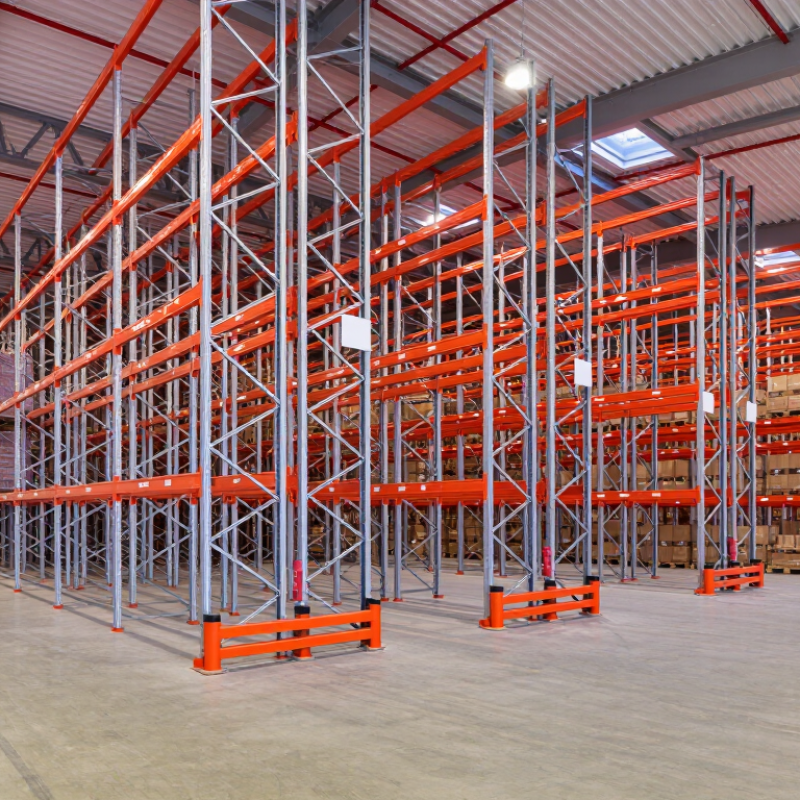
Before comparing pallet rack systems, document what your warehouse actually handles. Measure clear height, aisle widths, door openings, and the usable floor area. Record pallet dimensions and loaded weights, including occasional oversized loads. Small variations matter. A pallet that overhangs its beams can create handling and safety problems.
Look at how stock moves, not only how much it holds. Fast-moving goods may need accessible locations, while slower inventory can often use denser storage. Note forklift types and turning space; a layout that looks efficient on paper may slow operators in a busy aisle. One detail is easy to miss: seasonal peaks can change both inventory levels and traffic patterns. Review at least a typical week and a peak period.
Set clear objectives before requesting designs. Are you aiming to increase pallet positions, improve picking access, or leave room for growth? These goals can conflict. More density may reduce selectivity. Check floor capacity, sprinkler clearances, and local design requirements with qualified professionals before installation. Keep the measurements and assumptions on file. Some will prove wrong, and that is useful: revisiting them early is cheaper than adapting an unsuitable layout later.
Choosing a pallet rack starts with the way goods move, not with the lowest quoted price. Selective racks offer direct access to each pallet, while drive-in systems suit fewer product types stored in deeper lanes. Push-back and pallet-flow racks can increase storage density, but they change picking and replenishment patterns. Check forklift aisle width, pallet dimensions, turning space, and future SKU changes before fixing the layout. Small details matter.
Tip: List the heaviest pallet load, the number of pallet positions per beam level, and the total levels per bay. Ask the supplier to state rated capacities for the exact configuration, including beam length and frame height. Do not treat a rack’s capacity as a single number: beam, frame, bracing, floor condition, and load placement all affect safe use. Confirm capacity labels are visible and written in units operators understand.
MHI’s 2024 Annual Industry Report found that 55% of surveyed supply-chain professionals planned to increase technology investment. That is a useful reminder: rack choices should fit planned handling systems, not just today’s stock. For global projects, document dimensions in both metric and local units, and have a qualified engineer review site-specific loads, including seismic conditions where relevant. A practical check is to compare the proposed layout against real pallet weights and forklift data. Estimates can be wrong; revise them before purchase.
Pallet rack safety depends on more than the steel’s rated capacity. Requirements can vary by country, region, building type, and seismic exposure. Before ordering, confirm which local standards apply to the rack, its installation, and the warehouse structure. Ask suppliers for current load tables, design documents, and applicable test or conformity certificates. A certificate alone does not prove that a specific layout is safe.
Tips: Check whether local rules require an engineer’s review, permits, or certified installation. Confirm that beam locks, anchors, guards, and safety signs meet site requirements. Keep records.
Compare the proposed system with the actual building conditions, including floor capacity, sprinkler clearance, aisle width, and forklift routes. Have a qualified local professional review the drawings and floor slab before installation. Rules differ. Recheck requirements when relocating racks or changing beam levels; even a small adjustment can alter load distribution. Paperwork can be easy to overlook, and translated documents may leave key terms unclear. Verify details with the relevant authority or a competent local inspector rather than assuming one market’s approval transfers elsewhere.
A pallet rack quote is only a starting point. Compare suppliers by checking engineering drawings, stated load capacities, material specifications, and inspection records. Ask how beams and uprights are tested, and request references from projects with similar products and handling equipment. Clear answers matter. If a supplier cannot explain a capacity figure, pause before ordering.
Tips: Check load data; share pallet dimensions; confirm forklift clearances; request drawings; compare steel grades; ask about coatings; verify packaging; estimate freight; check spare-part access; clarify lead times.
Customization can improve fit, but every change affects price, production, or installation. Share real warehouse measurements, including column locations and floor conditions. Ask suppliers to price standard and customized layouts separately. This makes trade-offs easier to see. One detail buyers sometimes overlook is future growth; a layout that fits today may constrain tomorrow’s picking routes.
Compare total costs, not just unit prices. Include freight, import charges, unloading, installation, inspections, and likely replacement parts. Confirm what the quote excludes, and ask how delays or damaged shipments are handled. Local engineering review may also be needed before installation. It adds effort, but can catch problems early. I have seen buyers focus so closely on the lowest quote that small, recurring costs disappear from view. That comparison deserves a second look.
For global buyers, rack planning starts before a shipment is booked. Ask suppliers for an itemized packing list, drawings, beam and upright dimensions, and rated load data. Check whether the longest components fit the chosen container and whether bundles can be unloaded safely at your site. Small details matter. A missing anchor-bolt specification can delay installation. Plan for delays. Confirm import paperwork, packaging rules, and local rack requirements with your freight forwarder and a qualified local engineer; requirements vary by destination.
Before dispatch, agree on who handles unloading, storage, and damage checks. Photograph each bundle on arrival, then compare labels and quantities against the packing list. Keep parts dry and off the floor. Salt air or trapped moisture can mark steel. Installation should follow the approved layout and supplier instructions, with floor condition, aisle widths, clearances, and anchor locations checked on site. Do not assume a slab is suitable from appearance alone. Have its capacity verified when records are unclear.
After handover, assign inspections to named staff and record dates, findings, and corrective actions. Look for bent uprights, loose anchors, displaced beams, damaged connectors, and missing or exceeded load notices. Inspect after an impact, relocation, or unusual loading event. A checklist helps, but it cannot replace competent assessment of structural damage. Inspection intervals should reflect use, site conditions, and applicable local guidance. Teams sometimes postpone checks during busy periods. That is exactly when a clear reporting route matters.
Compare nominal external dimensions of standard 20-foot and 40-foot dry freight containers when planning pallet rack transport. Check the carrier’s equipment specifications before loading.
Nominal external dimensions in meters. Internal clearance, door openings, and payload capacity vary by container and should be confirmed with the carrier.
Measure clear height, aisle widths, door openings, and usable floor area. Record pallet sizes and loaded weights, including oversized loads. Measure twice.
Selective racks provide direct access to each pallet. Drive-in racks suit fewer product types stored in deeper lanes. Push-back and pallet-flow systems add density but change picking and replenishment.
List the heaviest pallet load, positions per beam level, and levels per bay. Request ratings for the exact beam length and frame height. Beam, frame, bracing, floor condition, and load placement all matter.
Check forklift type, aisle width, and turning space. A drawing may look efficient but slow operators in a busy aisle. Test the plan against real equipment data.
Review engineering drawings, load ratings, material details, and inspection records. Ask how components are tested and whether similar projects are available as references. Pause if a capacity figure is unclear.
Share actual measurements, column locations, and floor conditions. Compare standard and customized prices separately. A layout that fits today may restrict tomorrow’s picking routes.
Include freight, unloading, installation, inspections, replacement parts, and any import charges. Confirm exclusions and how delays or damaged shipments are handled. Small recurring costs add up.
Review both a typical week and a peak period. Consider changing inventory levels, traffic, SKU variety, and planned handling systems. Some estimates will be wrong; finding that early helps.
Have qualified professionals review floor capacity, sprinkler clearances, and site-specific design needs. Document dimensions in metric and local units. Seismic loads may matter at some sites.
This guide helps global buyers choose Pallet Rack Systems that fit their warehouse operations and storage goals. It explains how to assess available space, inventory characteristics, picking workflows, and future growth before selecting a rack design. Buyers can compare rack types and load capacities to ensure the system suits both the goods being stored and the way they are handled.
The article also highlights the importance of checking applicable safety standards, certifications, and local requirements. It encourages comparing suppliers, customization options, and total costs rather than focusing only on the initial purchase price. Finally, it covers practical planning for international shipping, installation, and ongoing inspections, helping buyers prepare for a safe, efficient, and well-maintained storage solution.