Blog
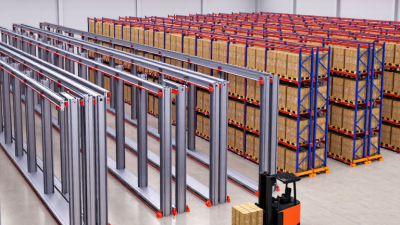
China Top 10 Pallet Racking Manufacturers for Global Buyers
Choosing a pallet racking supplier in China involves more than comparing prices. Buyers must match rack design to pallet dimensions, load weights, aisle widths, and warehouse equipment. A small mismatch can affect daily handling and storage capacity.
This guide introduces ten Chinese manufacturers serving international buyers. It highlights practical comparison points, including product range, steel specifications, surface finishes, customization options, and export support. Look closely at beam connectors, upright profiles, and stated load ratings. Ask for drawings and technical documents before approving a system. Details matter.
A supplier’s website can be a useful starting point, but it is not proof of performance. Request recent project references, clarify lead times, and confirm what installation guidance is available. Where possible, compare written specifications against your own warehouse requirements. This is especially important when a project includes unusual pallet sizes or existing equipment. Not every fit is obvious.
The manufacturers in this overview are presented as options for further evaluation, not as a guarantee of suitability. Product quality, communication, and delivery experience can vary by model and project. Buyers should independently verify claims and request project-specific quotations. A shortlist helps, but careful checks still matter.
Read more »
 By:Evelyn
- November 11, 2026
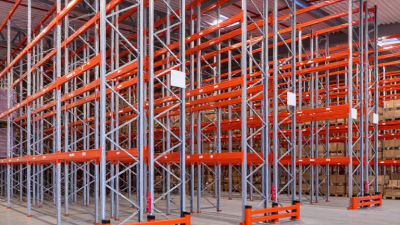
10 Pallet Rack Systems Tips for Global Buyers?
For global buyers, selecting Pallet Rack Systems is not simply a matter of comparing price per bay. Warehouse conditions vary by market. Even nearby facilities can differ in pallet dimensions, forklift clearances, floor quality, and handling methods. Beam capacity, upright frames, aisle width, and slab condition all shape a safe, workable layout. Ask suppliers for load tables tied to the exact configuration, not a generic catalog figure. That distinction matters when beams carry mixed loads or operators use different equipment. Specifications can also be misunderstood across languages and measurement units. A neat drawing cannot reveal every installation problem.
These ten practical tips will help buyers compare suppliers, plan layouts, and ask better questions before placing an order. Confirm pallet sizes, typical and maximum load weights, rack heights, and available forklift turning space. Check which design standards and local requirements apply at the project site, and request calculations and drawings for review by qualified professionals. Look closely at finish quality, component compatibility, shipping protection, installation support, spare-part availability, and warranty terms. Price matters, but so do clear documentation and reliable after-sales communication. Some choices remain judgment calls, and that deserves honest discussion. No checklist can replace a site assessment, especially when floors, inventory, or operating practices are still changing.
Read more »
By:Evelyn
- November 11, 2026
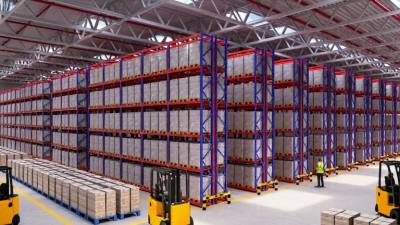
How to Choose the Best Pallet Storage Racking System in 2026
A warehouse can look spacious until pallets arrive. Then a few inches of wasted clearance, an awkward aisle, or a poorly matched forklift can slow daily work. Choosing a Pallet Storage Racking System is not simply a matter of buying more steel. It means matching storage design to pallet dimensions, load weights, inventory turnover, handling equipment, and the building itself.
The investment also sits within a wider shift toward more connected operations. MHI and Deloitte’s 2024 Annual Industry Report found that 55% of surveyed supply-chain leaders planned to increase investment in supply-chain technology. That figure does not prove every warehouse needs automation. It does underline why rack layouts should leave room for changing workflows, equipment, and inventory needs. Details decide.
This guide compares common rack types, including selective, drive-in, and push-back systems, and explains where each may fit. It also covers capacity checks, aisle planning, safety considerations, and questions to ask suppliers. For example, a fast-moving SKU may need direct access, while reserve stock could suit denser storage. A layout that looks efficient on paper may feel different when operators turn loaded trucks in a narrow aisle. No rack is perfect. Before choosing, verify load ratings and site conditions with qualified professionals, and review the assumptions behind the design. That small pause can prevent an expensive mismatch.
Read more »
By:Evelyn
- November 11, 2026