How much warehouse floor space does a double deep pallet rack system actually save?
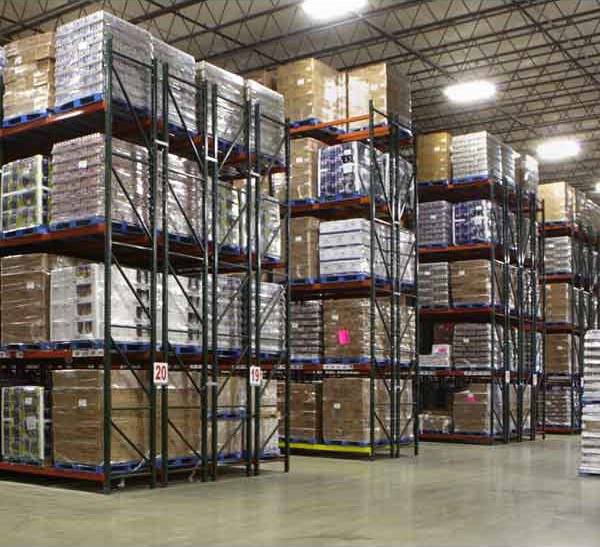
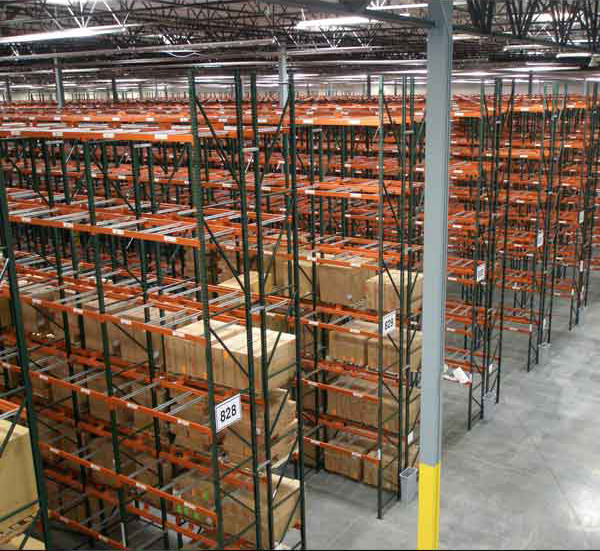
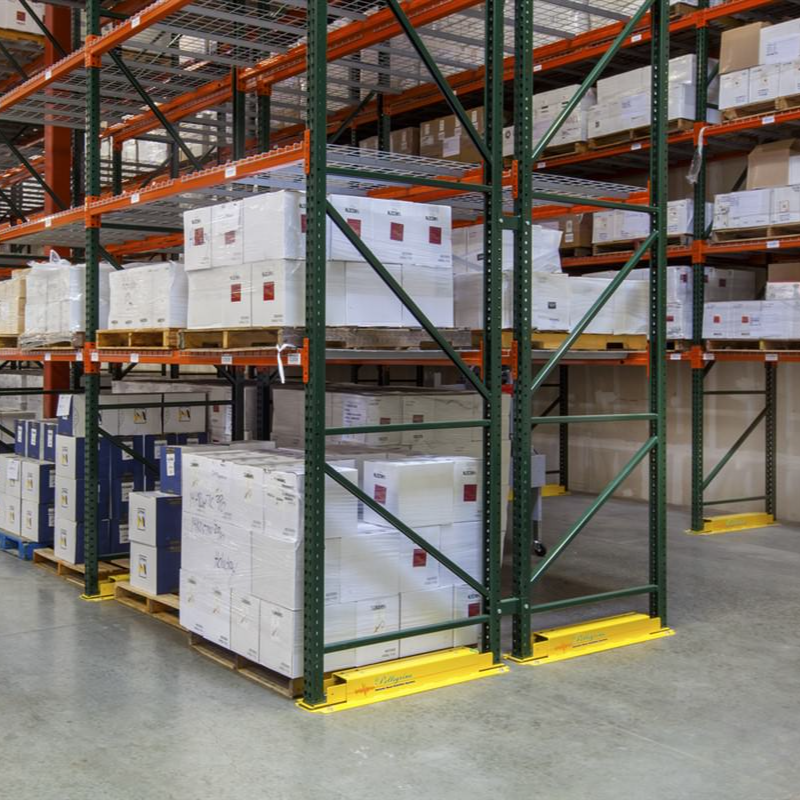
A double deep pallet rack system increases overall pallet capacity by 30% to 40% in comparison to a standard 100% single-selective racking layout. In a standard selective setup, each rack row requires a dedicated forklift aisle. Double deep layouts place two back-to-back rack depths together per aisle side, removing approximately 50% of the operational aisles previously needed. This enables operations to store significantly more pallet positions within the same physical warehouse envelope or downsize the square footage footprint of a new building build-out.
What is the exact pallet selectivity percentage, and how does inventory rotation work?
Double deep racking delivers 50% immediate pallet selectivity. Operators have direct, unobstructed access to the front pallet in any slot. Accessing the rear pallet requires that the front pallet position is vacant or temporarily staged in an aisle. As a result, double deep systems operate primarily on a Last-In, First-Out (LIFO) inventory schedule at the individual lane level. However, for operations managing multiple pallets per individual SKU (such as batch manufacturing, fast-moving beverage distribution, and bulk retail reserves), warehouses achieve First-In, First-Out (FIFO) turnover across SKU pairs by batching pallets into 2-deep slots simultaneously.
What specific forklift equipment is required to operate double deep pallet racks?
Double deep configurations require deep-reach forklifts. These typically consist of electric reach trucks equipped with a dual-stage pantograph scissor mechanism or heavy-duty telescopic extending fork attachments. Because deep-reach trucks carry extended loads, warehouse layout engineers must verify aisle widths (typically 9.5 to 11 feet depending on the chassis configuration, turning radius, and pallet dimensions) and mast capacity deratings at elevated rack levels. Many modern fleets also incorporate camera-equipped carriage mounts and laser height guides to assist operators in safely aligning pallets at upper elevations.
How does NFPA 13 sprinkler fire code apply to longitudinal and transverse flues in double deep layouts?
Under NFPA 13 guidelines for high-piled palletized storage, double deep configurations must maintain a continuous vertical longitudinal flue space (standardly 6 inches) between back-to-back rack frames, alongside adequate transverse flues between stored pallets and upright columns. Without open flue spaces, water discharged from ceiling fire sprinklers cannot penetrate lower tiers during a thermal event. Ridg-U-Rak engineers precision heavy-gauge steel row spacers, double-deep wire mesh decking, and mechanical pallet stops to lock pallet overhang in place, preventing operators from pushing rear pallets into the compliant flue void.
Can standard single-selective pallet racks be converted into a double deep system?
In many instances, yes. Single-selective rack frames can be reconfigured into double deep rows by resetting aisle centerlines, bolting frames back-to-back with rigid engineering-approved row spacers, and re-anchoring baseplates. However, the existing upright frames must be analyzed by a licensed structural engineer per ANSI MH16.1 to verify that vertical column capacity and frame bracing geometry can handle the concentrated loads and altered overturning moments induced by deep-reach truck operations.
When should an enterprise choose double deep racking over push-back or drive-in racks?
Double deep pallet rack is the optimal choice when operations manage 2 to 4 pallets per SKU, demand higher throughput speeds than drive-in tunnels allow, and prefer to minimize initial capital expenditure. Push-back racking provides higher dynamic selectivity (storing up to 6 pallets deep on nested carts) but costs substantially more per pallet position due to mechanical steel carts, rails, and bearings. Drive-in racking offers maximum density (up to 9 deep) but suffers from slow lift cycle times, severe forklift impact risk, and high "honeycomb" capacity loss. Double deep provides the ideal balance between density, speed, and low CapEx.
Why is American-made steel and RMI R-Mark certification critical for double deep racking?
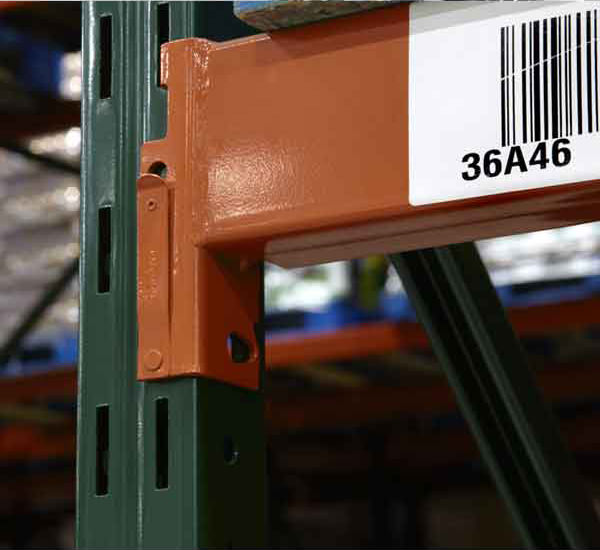
Double deep racks endure significant dynamic torsional stresses when reach trucks insert cantilevered heavy pallets into rear positions. Ridg-U-Rak Storage Systems Inc. manufactures all rack components in North East, Pennsylvania using high-yield 100% domestic American steel, ensuring consistent steel chemistry, wall thicknesses, and weld ductile performance. Our RMI R-Mark certifications (Manufacturer, System, and Installation) give corporate safety directors, insurance providers, and municipal building code officials independent, third-party validation that all load ratings and seismic designs strictly comply with ANSI MH16.1 standards.