Global Industrial Standard Catalog
Featured Engineering Racking Systems
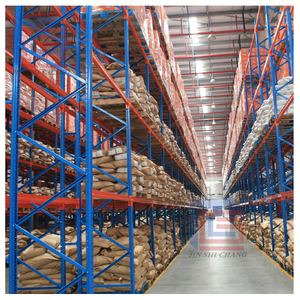
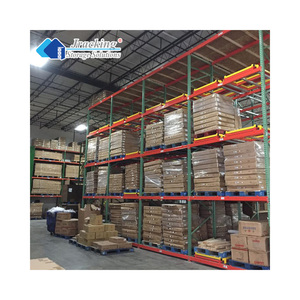
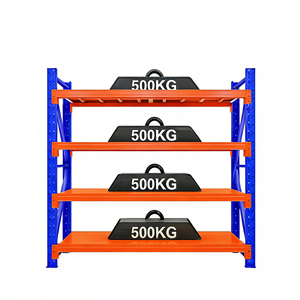
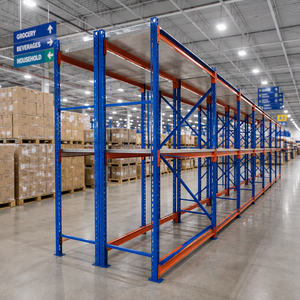
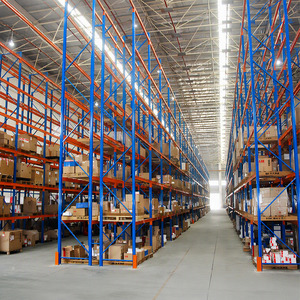
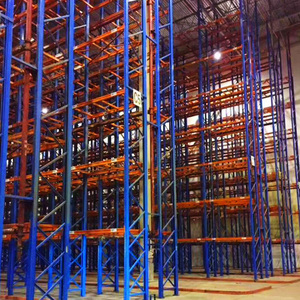
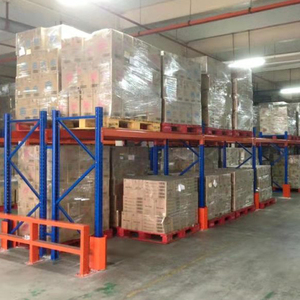
Explore our production-grade industrial storage systems. Built with certified Q235B and high-yield Q355B structural steel, precision-engineered to meet ANSI MH16.1, EN 15512, and AS4084 compliance for heavy logistics, cold-chain distribution, and manufacturing centers.
Procurement Intelligence
The Future of Industrial Pallet Racking: Engineering Trends & Sourcing Outlook
As international supply chains transition toward hyper-dense micro-fulfillment hubs, automated mobile robotics (AMR), and cold-chain resilience, structural rack procurement must pivot from generic steel commodities to precision-engineered structural systems.
AS/RS & Automated Shuttle Readiness
Modern distribution warehouses are moving past standard counterbalanced forklift clearances. Future-proof pallet racking requires tighter beam deflection tolerances (L/300 to L/400) and strict plumbness calibration to integrate four-way radio shuttles, automated crane stackers, and ceiling-guided rail vehicles without load jams.
Seismic Dissipation & Dynamic Base Isolation
Sourcing standards across earthquake-prone belts (including the Pacific Rim and Mediterranean zones) mandate dynamic finite element analysis (FEA). Base isolation damping assemblies, oversized baseplates, and high-ductility anchor bolts reduce peak accelerations, preventing catastrophic multi-tier progressive rack collapse.
Cold-Formed High-Yield Metallurgical Alloys
Global procurement teams prioritize optimizing the structural weight-to-load capacity ratio. Shifting from conventional mild steel toward micro-alloyed, continuous-annealed high-yield steel coils allows thinner profiles with multi-bend upright geometry, providing superior torsional stiffness and substantial sea-freight savings.
Pre-Galvanized Anti-Corrosion Technologies
For blast freezers and maritime coastal environments, standard powder coatings risk micro-cracking and underfilm rust. Next-generation systems integrate continuous hot-dip pre-galvanized structural coils (minimum Z275/AZ150 coatings) to prevent surface oxidation in humid and -30°C temperature ranges.
Modular Reconfigurability & Interlocking Safety
With volatile consumer demand, static warehouses are costly. Specifiers increasingly deploy universal hook connectors and positive interlocking spring safety pins that enable warehouse personnel to modify beam tier elevations quickly without compromising lateral shear resistance or column rigidity.
Digital Twin & Smart Structural Monitoring
Advanced racking assets now feature integrated impact-sensing accelerometers and RFID load monitoring along lower uprights. Sourcing contracts increasingly demand physical rack architectures compatible with digital twins that alert operations teams to forklift collision stresses and localized overload risks in real time.
Engineering Comparison
Industrial Storage Architecture Matrix
Evaluate structural performance, footprint utilization, and inventory handling parameters before final engineering sign-off.
Manufacturing Capabilities
Why Source From Certified Industrial Rack Exporters
From virgin steel coil inspection to robotic welding, epoxy electrostatic finishing, and international shipping consolidation, our production facilities ensure high build consistency and structural integrity.
Prime Certified Steel Coils
Fabricated with high-grade carbon steel sourced directly from tier-one steel mills. Every coil arrives with certified mill test reports confirming yield strength, tensile resilience, and chemical composition.
Continuous Roll-Forming
Multi-station computer-controlled roll-forming mills produce continuous, seamless upright and box-beam profiles with minimal internal steel stress and dimensional variance below 0.5mm across entire 12-meter lengths.
Robotic Precision Welding
Upright column footplates and beam end-connectors are joined using robotic multi-axis welding stations. Every weld puddle is inspected to ensure deep root penetration without spatter or cold-lap porosity.
Thermoset Powder Coating
Automated pre-treatment degreasing, multi-stage acid phosphate bathing, and electrostatic application of heavy-metal-free polyester thermoset powders ensure high salt-spray resistance and impact durability.
RMI & Global Compliance
Our engineering standards align directly with RMI ANSI MH16.1 (US), FEM 10.2.02 (Europe), and AS4084 (Australia) codes, supporting stamped engineer calculations and expedited local warehouse permitting.
Containerized Sea-Packing
Upright trusses and cross-beams are bundled with non-abrasive protective spacers, heavy-duty steel banding, and integrated forklift dunnage runners to prevent transit shifts and rust during ocean voyages.
Bespoke OEM/ODM Design
Dedicated CAD/SolidWorks engineering teams generate complete bay elevations, beam load capacity charts, and floor layout optimizations tailored directly to your building column grid and forklift turning radius.
End-to-End Cost Efficiency
Direct export sourcing from China manufacturing hubs bypasses unnecessary distributor markups while providing scalable, volume-based pricing that delivers high capital efficiency for your logistics operations.
Procurement Guidance
Frequently Asked Questions on Pallet Rack Sourcing
Clear, authoritative technical answers addressing building permits, safety certifications, freight consolidation, and engineering calculations.
How do international engineering standards (ANSI MH16.1 vs. EN 15512) impact pallet rack manufacturing in China?
Top-tier China pallet rack exporters engineer their cold-formed tooling to match specific regional building codes. For North American export projects, calculations follow ANSI MH16.1 (published by the Rack Manufacturers Institute) using LRFD or ASD methodologies. For European projects, compliance aligns with EN 15512 / FEM guidelines, while Australian deliveries fulfill AS4084. Mill certificates, weld inspections, and coupon tensile testing are cross-referenced to prove identical material performance.
What specific information is required to receive an accurate structural rack quotation and CAD bay layout?
To provide stamped bay drawings and precise pricing, our engineering team requires: (1) Pallet footprint dimensions including overhang (Width × Depth × Height); (2) Maximum gross pallet weight; (3) Warehouse clear height to roof trusses and fire sprinkler pipes; (4) Concrete slab thickness and compressive strength (psi or MPa); (5) Lift equipment specifications (forklift model, maximum lift reach, and aisle turning clearance); (6) Site seismic zone classification and project ZIP/postal code.
How are seismic zone risks engineered into heavy-duty storage racks?
In high seismic regions (such as coastal California, Japan, or New Zealand), vertical dead loads combined with lateral shaking produce strong overturning moments. Engineering designs accommodate this by: (1) Increasing frame depth and steel gauge thickness; (2) Utilizing heavy-duty baseplates with multiple wedge anchor embedments; (3) Deploying horizontal and diagonal back-frame X-bracing; (4) Applying base isolation dampeners where applicable to decouple ground movement from stored pallet inventory.
What anti-corrosion finishes are available for sub-zero cold storage and pharmaceutical facilities?
Standard indoor dry warehouses utilize electrostatic thermoset polyester powder coating (60–80 microns) baked at 180°C–200°C. For deep blast-freezer operations (-25°C to -40°C), food packing plants, or high-humidity coastal facilities, we supply continuous hot-dip pre-galvanized coils (Z275 coating mass) or batch post-fabrication hot-dip galvanizing per ASTM A123 / ISO 1461 to guarantee zero rusting and long operational service.
How do factory teams package and bundle racking components to protect against ocean freight damage?
Upright frame columns and structural step beams represent heavy, dense freight. We bundle profiles using custom-molded protective corner buffers, durable corrugated separator wrapping, and high-tensile steel strapping. Dunnage runners are integrated beneath bundles to enable side-loading and unloading via yard forklifts at your destination facility, eliminating paint scuffs, structural twisting, and bent connector tabs during ocean transit.
What is the practical production lead time and ocean container transit schedule?
Standard production time for typical industrial projects (5 to 25 containers of roll-formed selective or drive-in rack) ranges from 20 to 30 manufacturing days following approved CAD fabrication drawings. Container shipping transit varies by port: roughly 14–18 days to US West Coast hubs, 25–32 days to US East Coast, 24–28 days to Western European ports, and 12–16 days to Australian gateways.